Everything on Our Phones Is Completely Fake
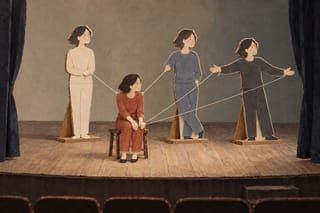
On social media, we are all stuck between our own niches, our interests, and our fluttering attention spans. From Instagram to TikTok to X, none of us sees the content we actually want. We engage with whatever the algorithm serves us, the content it wants us to see. It arrives personalized to our interests, with arguments crafted to reflect us back at ourselves. Still, we have no real choice. Like in a collage cafeteria, we eat whatever comes out of the kitchen.
Leaving the chronological feed behind for the “For You” feeds offered by algorithms was one of the first breaking points in this sense. When the pandemic confined everyone to their homes and their screens, the way we consume digital content changed as well. Content creators and influencers were transformed too, in both their number and their nature.
As we slowly leave 2026 behind, the gap between those who create content and those who consume it has reached a whole new dimension. Our internet habits have changed enormously compared to the 2000s, and even the 2010s. Everyone can get a certain amount of engagement at their own scale by iterating on similar content, so originality, which was rare even before, is now nearly impossible to find. And because we have lost the chronological order of content, we can take a ten-year-old project as if it were from today, and wear out a two-day-old topic instantly and leave it behind.
Influencing as a Performance
Someone who creates content for social media and calls themselves an influencer has by now turned the whole thing into a performance. Not much connection to their own self remains. Using niches drawn from content categories large and small, they find ways to say the same things in different ways.
As a result, influencer content becomes pure performance: performances stripped of substance, following formulas. Influencers take extra care to present these performances as real as possible.
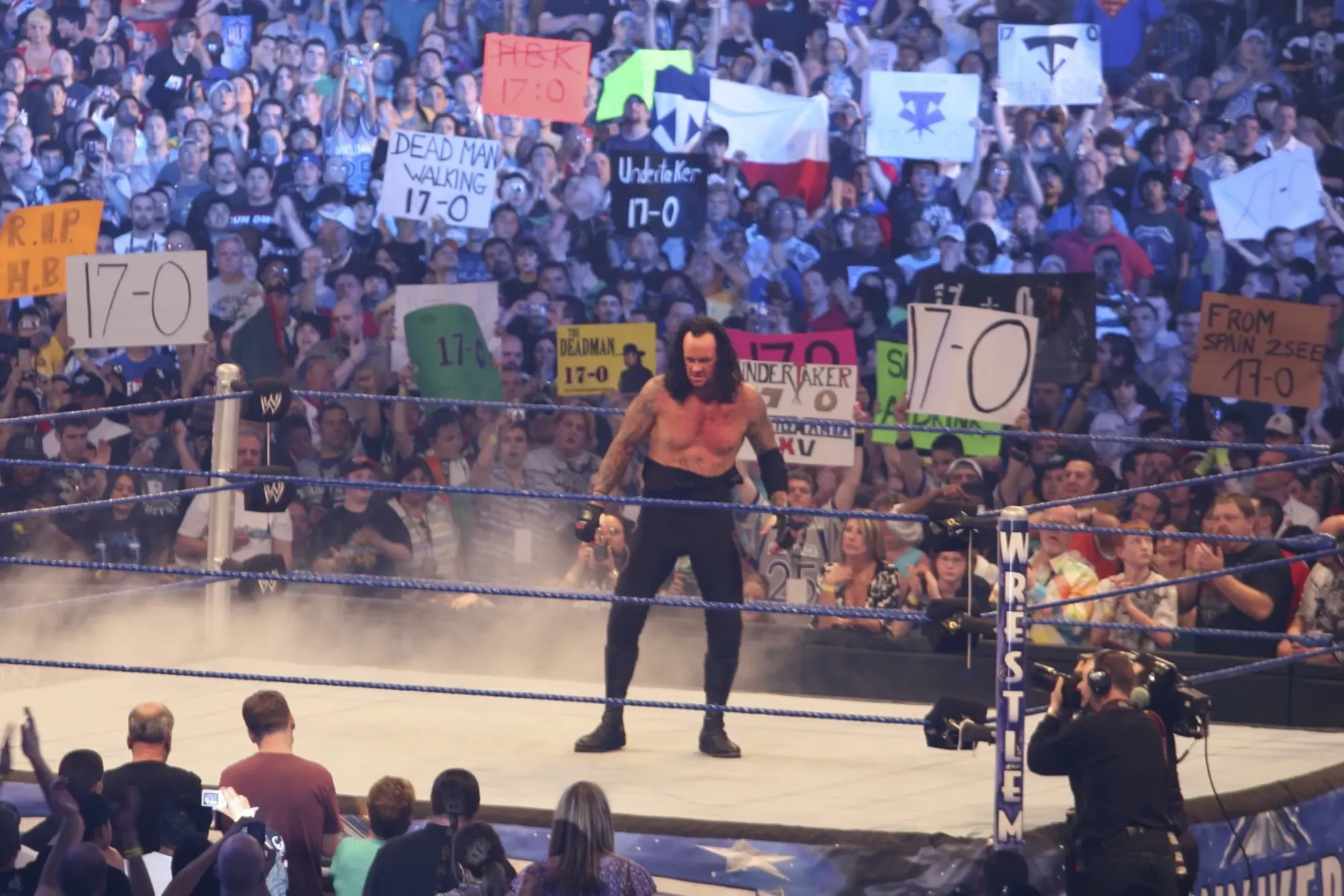
There is a concept in American professional wrestling, in WWE, called kayfabe. As a form of entertainment, the characters who fight and wrestle in the ring create personas for themselves. Kayfabe is the principle by which professional wrestlers preserve the illusion, presenting the fights, brawls, and rivalries in the ring as if they were real.
To protect the realism of their performance, wrestlers maintain their in-ring personas in front of the media and in every moment of their ordinary lives. For the wrestler, the persona becomes a real identity, almost as if they were a method actor. Wrestling fans, even though they know it is all fiction, react to and judge what they see as if it were real, to preserve the entertainment and avoid breaking the magic of the ring. The unwritten contract between the audience and the promoters is about never pulling back this curtain of pretense.

The lives influencers present are often nothing more than kayfabe, too. Their earnings separate them from their audiences in terms of class, and within a few years of influencing they become detached from ordinary people and part of a separate elite. Yet they may still try to produce the same kinds of content through which they once connected with their audiences.
For example, a person working as a mid-level manager at a corporate company might choose to vent the sense of being trapped in that part of their life by making sketches and comedic content about the gloom and rot of white-collar work. But once their follower count reaches six figures, and brand collaborations and product placements start coming one after another, they begin earning more than they do at their full-time job.
What should they do then? Quitting the white-collar job and moving to full-time content creation seems like an inevitable step. But what will this content consist of three to six months later? And one or two years later? A social media account born as a hobby and a form of emotional regulation has turned into a full-time job. On that account, the person is no longer themselves, just a performance retelling the feeling of being trapped in corporate life over and over again.
Is the Audience Aware of the Performance?
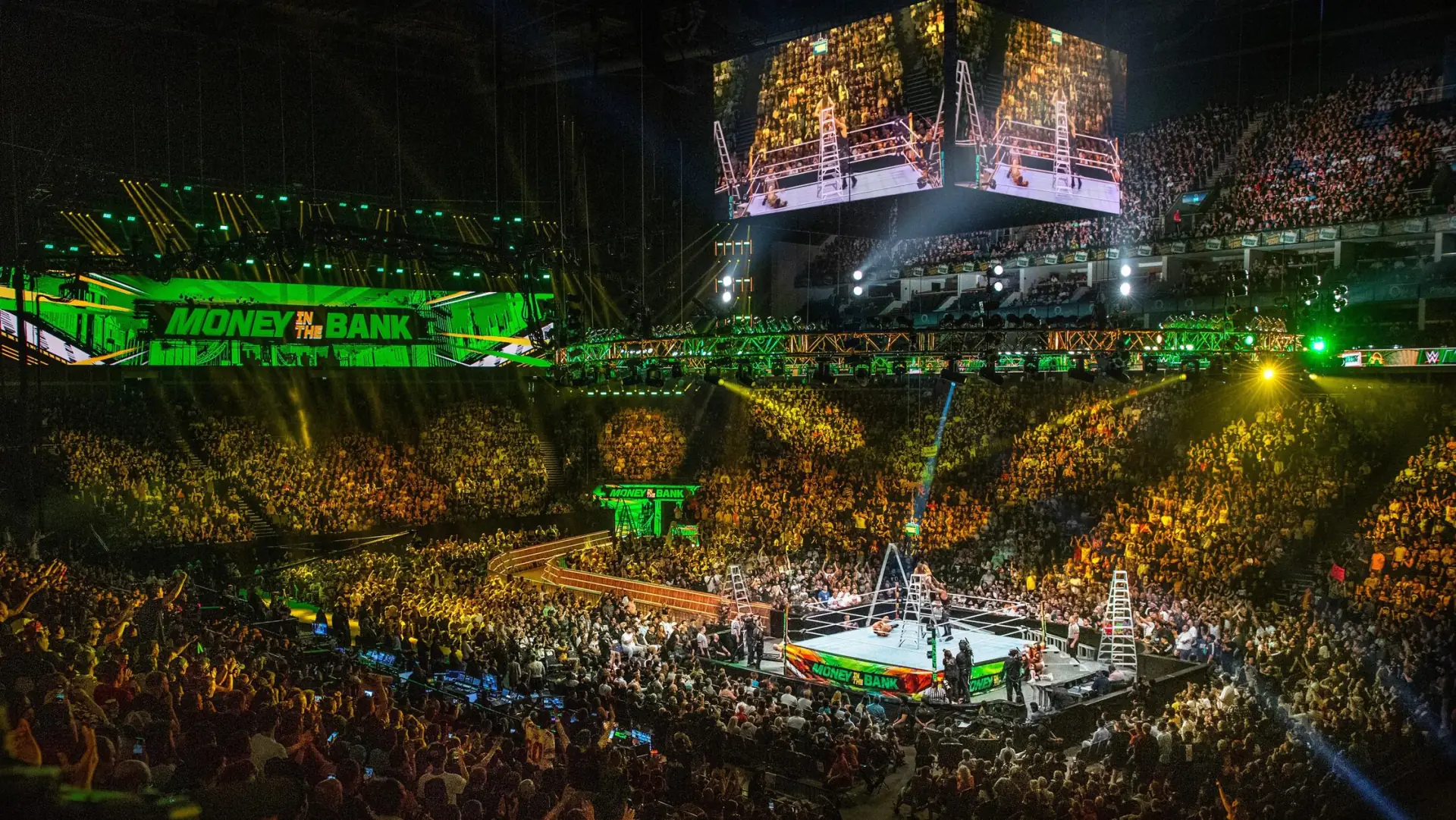
In the end, professional wrestling is a commodity produced for consumption within the entertainment industry. It exists to pull the audience away from real life for a while and host them in an imaginary world. Social media, on the other hand, was served to us as a place where television productions were pushed into the background, offering glimpses of ordinary people’s unremarkable lives. Unretouched slices of everyday life.
Concepts like “no-makeup makeup” are a reality: even within men’s desire for a “woman without makeup,” women are still pushed to wear makeup in some form. We tend to overlook that, and in the same way, we don’t think much about how the lives we present on social media are also part of this contrived performance. This feels less like a conscious choice and more like a natural result of the circumstances.
When we, as an audience, accept the glimpses we see of influencers’ lives as performances, we open up space to reconsider our relationship with them. We can start to notice what comes before and after the performance, its repetitions, and its cycles.
The difference between professional wrestling and influencing is that one prioritizes entertainment and presents kayfabe in an exaggerated, unrealistic context, while the other uses it in an effort to appear more real and sincere than it is. For the audience, this difference creates a gap in sincerity.
The unwritten contract between an influencer and their audience is about accepting that the content stays the same even when the creator’s life changes, and about accepting them within a certain period, a certain niche, and a certain context.
Accepting the Pretense, or Becoming a Slave to Parasocial Relationships?
Influencers, internet-famous people, YouTubers, and many others we know from a distance, whom we mistake for friends because we see them on our screens again and again, are not actually real. Even though parasocial relationships lead us to place them on a higher pedestal than they deserve, they are all people running these personas as a profession, and they struggle to step outside a particular character.
They earn millions from these personas and live far more luxurious lives than the ones they present. But they cannot step outside the character they play on this stage. Otherwise, everyone might realize that it is all an act. Unlike in kayfabe, the audience here does not knowingly agree to the unwritten contract.
Because this kayfabe looks ordinary, as if taken straight from real life, we don’t encounter the exaggeration we see in wrestling. What is performed is normality and ordinariness itself. But while these people, who live lives of a different class, try to appear the same as us, it is impossible for the audience to reach them or become their peers.
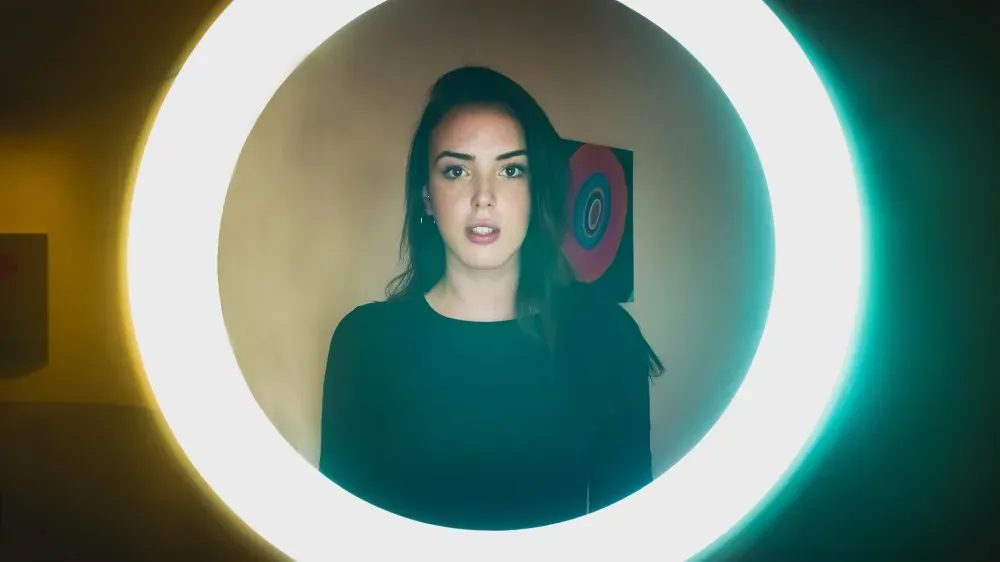
Digital content creation has become the modern face of the entertainment industry, and the difference in production is what creates this gap. The performances staged around ring lights are not presented as part of the entertainment industry. On the contrary, they are packaged as a day from normal life.

When people try to create myths and put on performances by presenting lives different from the ones they actually live, and when we as an audience notice this and start to see it differently, the pretense can collapse from our side alone. Kayfabe stops working. Recognizing the class gap between us and these actors, instead of entering the parasocial relationships we are invited into, amounts to tearing up the unwritten contract.
This would be the most rational way to say “the emperor has no clothes” today. By preventing parasocial relationships from forming, seeing through people who live with millions, even billions, while posing as ordinary people also brings self-awareness with it.