Listening to the Same Song at the Same Time: What Does That Make Us?
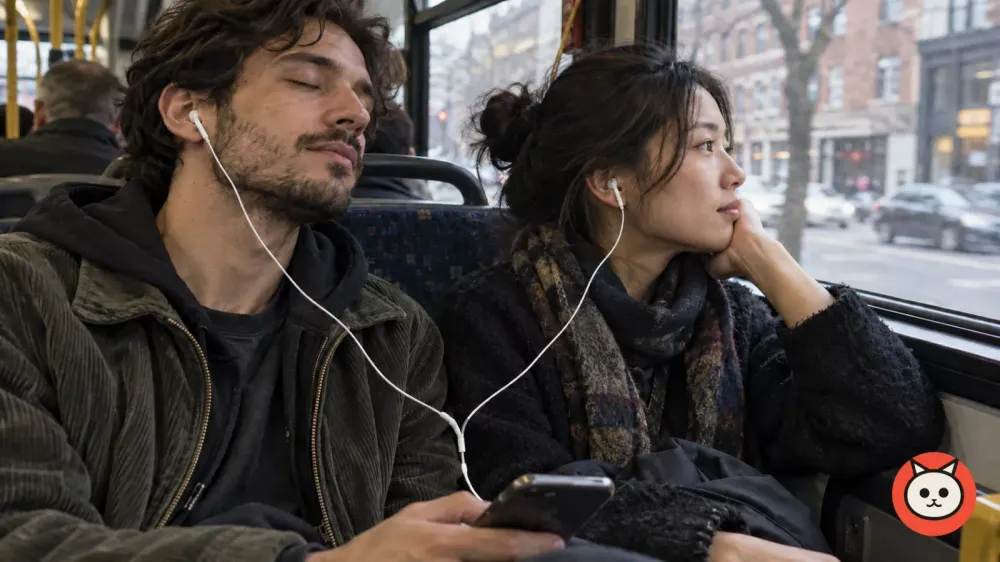
Let’s go back to the moment you first heard a song on the bus. You rested your head against the window, leaving that familiar foggy mark on the cold glass. For a moment, the colours of the passing city blended with the music, and you felt what it was like to be alive again. You saved the song.
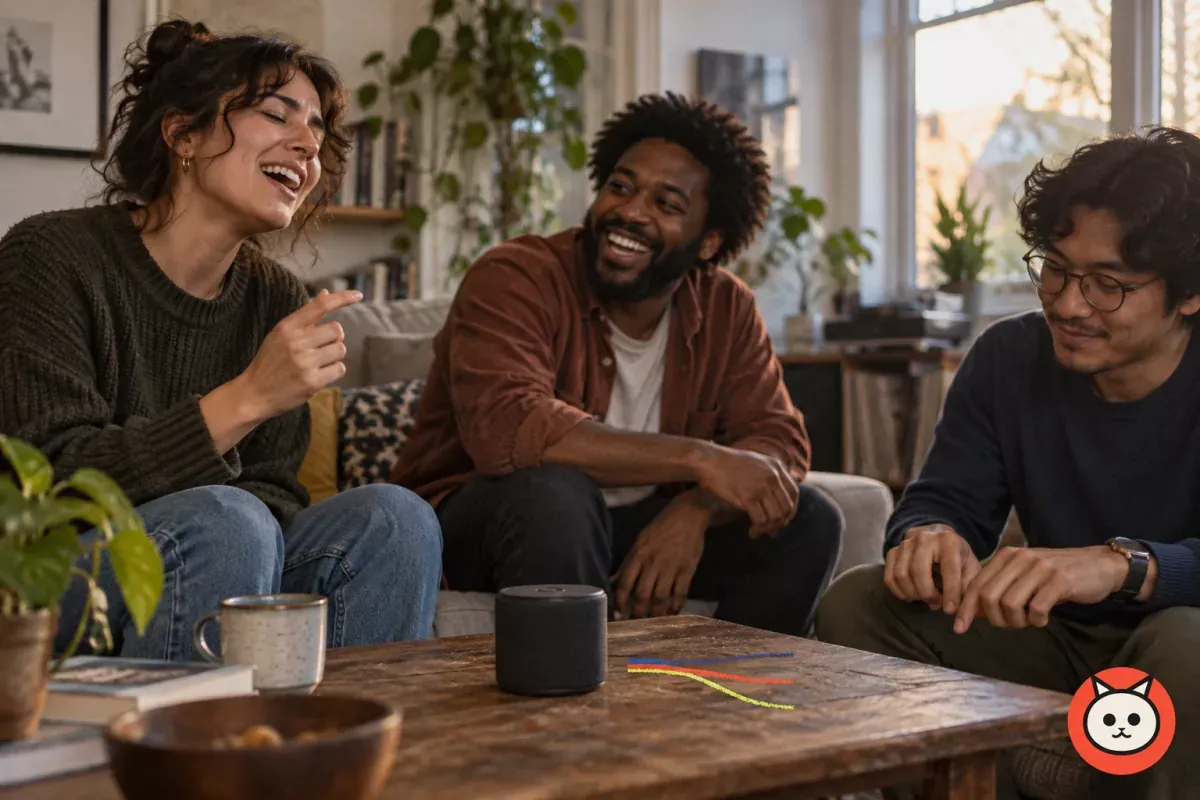
Months later, the same track is playing through a Bluetooth speaker at a friend’s place. You recognise it from the opening notes. Your friend’s musical ear is somewhat questionable, and they jump into the chorus too early. Their partner gets the lyrics completely wrong. This time, you’re laughing and singing along to the very song that once gave you goosebumps on the bus.
The song is the same. The experiences couldn’t be more different. But what about the music?
Could music, at its simplest, be a relationship?
In his 1998 book Musicking: The Meanings of Performing and Listening, Christopher Small introduces a concept he calls “musicking.” Turning music into a verb might sound a little funny, but it gets remarkably close to the point.
Musicking isn’t limited to performing music. Listening, dancing, sharing, reflecting on it: every moment and every way in which we experience music falls within its scope.
Seen this way, whenever we music, we weave a network of relationships between ourselves, the music, and whoever else happens to be there. One person performs, another listens, someone else taps along to the rhythm. Music brings us into the same space, allowing us to share an experience and connect with one another.
Through music, we encounter the world on common ground. We discover, get acquainted, talk, and listen together.
What we listen to, how we listen…
If we understand musicking as a way of forming relationships, then the setting in which those relationships unfold also helps define them.
Imagine spending an evening listening to music with friends. It’s your turn to choose a song. You pick something you love, although you’re not entirely sure whether anyone else around the table will appreciate it.
Now that’s a risk.
Before the song even begins, you feel the need to explain yourself.
“There’s actually another version of this.”
“I mostly love it for the lyrics.”
“It’s a little old, but…”
You haven’t even let the first note fill the room, and you’re already defending your choice.
Then a friend sitting beside you asks, “What do you even like about this?”
How did you hear that question in your head? Was it mocking, or genuinely curious?
If there’s curiosity in your friend’s voice, you have room to explain. If there’s contempt, you might want to turn the song off halfway through.
Same music. An entirely different meaning to sharing it.
As you can see, context has transformed both the meaning of the music and our experience of it. And with that, the kind of relationship we’re building through music has changed too.
In this example, the listeners’ reactions may shape what you decide to play next. One person listens attentively. Another adds a personal memory. A third connects the song to something else they’ve heard. Suddenly, a new conversation emerges, along with a whole network of relationships.
Or perhaps you decide it’s best not to play another song like that.
Has listening ever seemed quite so active?
When we’re musicking, it is.
The doors that songs open
If music creates such a powerful setting for participation and connection, then imagining and designing that setting also gives us some influence over the relationships that emerge within it.
Sharing a song link online is a good start. But a single sentence beneath that link can reveal where someone else might begin to connect with the experience.
“The last fifteen seconds of silence in this song remind me of evenings when I didn’t want to go home.”
You don’t need to know anything about music to respond to a sentence like that. You don’t even need to know why the person didn’t want to go home.
You might experience that very same passage in a completely different way.
And yet, we’re all musicking.
Could we use a space of our own for musicking, somewhere we can meet on common ground and share what we experience?
Let’s return to that song on the bus.
What you felt the first time you heard it is still there. The evening at your friend’s place has added another memory. Maybe the next time the song plays, you’ll remember those hilariously misheard lyrics too.